

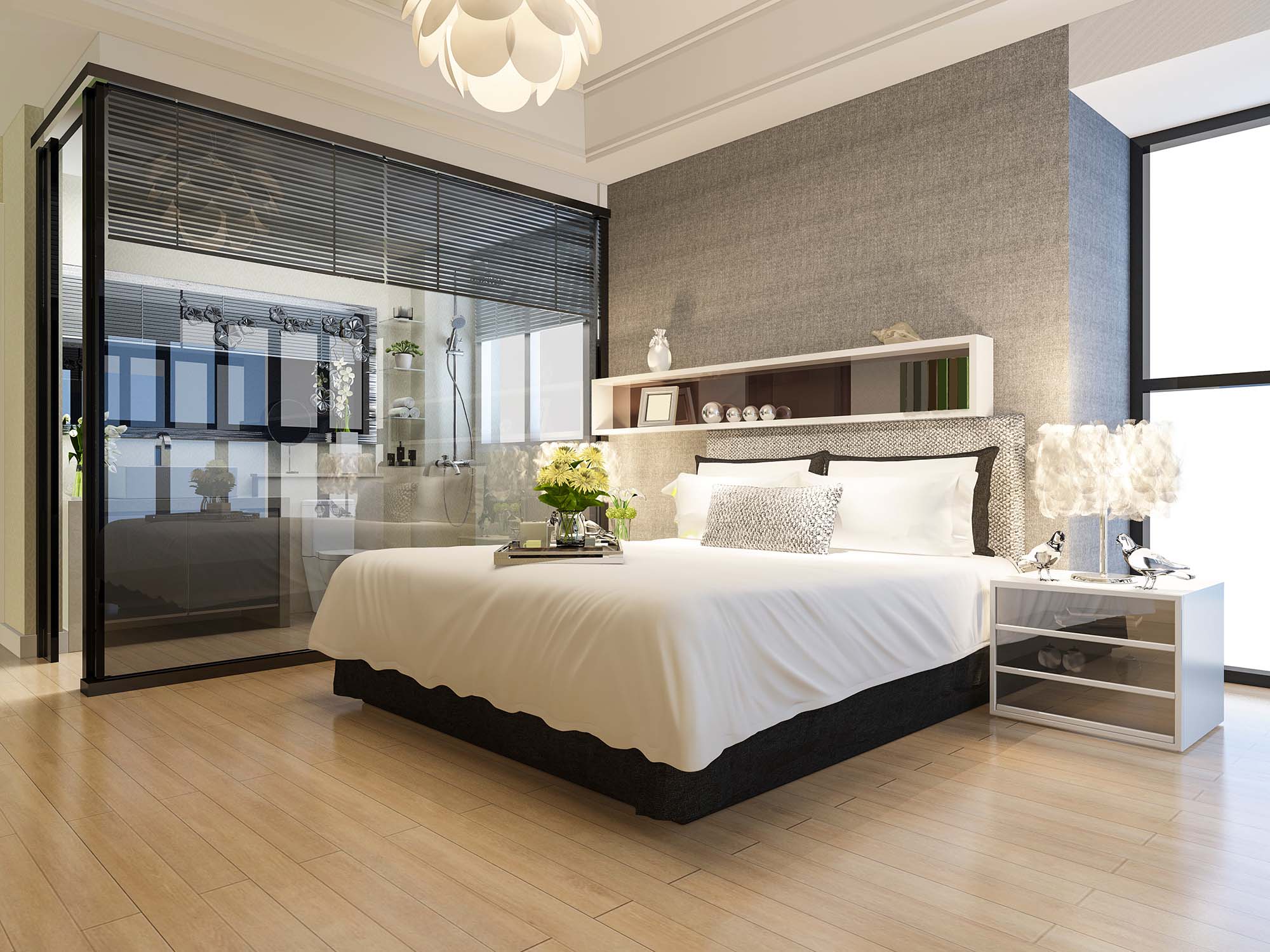
Anyone who has lived under a room with hard flooring knows the concern is real. Footsteps, dropped items, and even normal daily movement carry differently through vinyl plank than they do through carpet, which is why this question comes up so often with homeowners considering an upstairs flooring change in older two story homes across Blair and Bedford County.
The good news is that modern vinyl plank has come a long way on this specific issue, and Cove Flooring & Design LLC can walk you through exactly what affects sound in your particular home.
Why Upper Floor Noise Concerns Are Legitimate
Carpet has always had a built-in advantage on sound simply because the fiber and padding absorb impact before it ever reaches the subfloor. Hard surfaces like vinyl plank, tile, or hardwood do not have that natural cushioning, so without the right backing, footsteps and dropped objects transmit more directly into the room below.
This is especially noticeable in older two story homes with wood joist construction, since those floor systems were not built with today's acoustic expectations in mind. It is a fair concern, and it is one worth addressing at the product selection stage rather than after installation.
What Actually Reduces Sound in Vinyl Plank
The backing layer underneath the plank does most of the work when it comes to sound control. Attached underlayments made from cork or foam, often listed in product specs as IXPE or similar acoustic backing, absorb impact noise before it travels into the subfloor, and the thickness of that backing has a direct relationship to how much sound gets through.
Wear layer thickness matters too, but less for sound and more for durability, so it should not be confused with acoustic performance. When sound is the priority, the backing specification is what to focus on, not just the overall plank thickness or price point.
How Installation Choices Affect Sound Transfer
The backing on the plank itself is only part of the equation. A separate underlayment installed beneath the vinyl, in addition to whatever is attached to the plank, can meaningfully improve sound performance, particularly in homes where the room below is a living space rather than a garage or unfinished basement.
Installation method plays a role as well. A properly floating installation over the right underlayment generally performs better acoustically than certain glue-down methods, though the best approach depends on the subfloor and the specific product being installed, which is exactly the kind of detail worth reviewing before ordering material.
Setting Realistic Expectations
No hard surface flooring will sound identical to carpet, and it is worth being upfront about that rather than overselling the result. What a well-specified vinyl plank system does is close the gap significantly, especially for everyday walking noise, while still delivering the water resistance and low maintenance that carpet cannot match upstairs.
For homeowners weighing the tradeoff, it often comes down to which rooms matter most for sound control. Bedrooms directly above a living room may call for extra attention to backing and underlayment, while a hallway or office space above a garage has much more flexibility.
Get the Right Backing Specified for Your Home
Sound performance depends on your specific floor system, the room below, and the product you choose, which is why a generic recommendation only goes so far. Cove Flooring & Design LLC can review your two story home and recommend a luxury vinyl plank and underlayment combination built for the rooms that matter most to you.
We proudly serve homeowners throughout Martinsburg, PA from our Martinsburg showroom. Stop by Martinsburg, PA or contact us to talk through sound control before you commit to a product.


